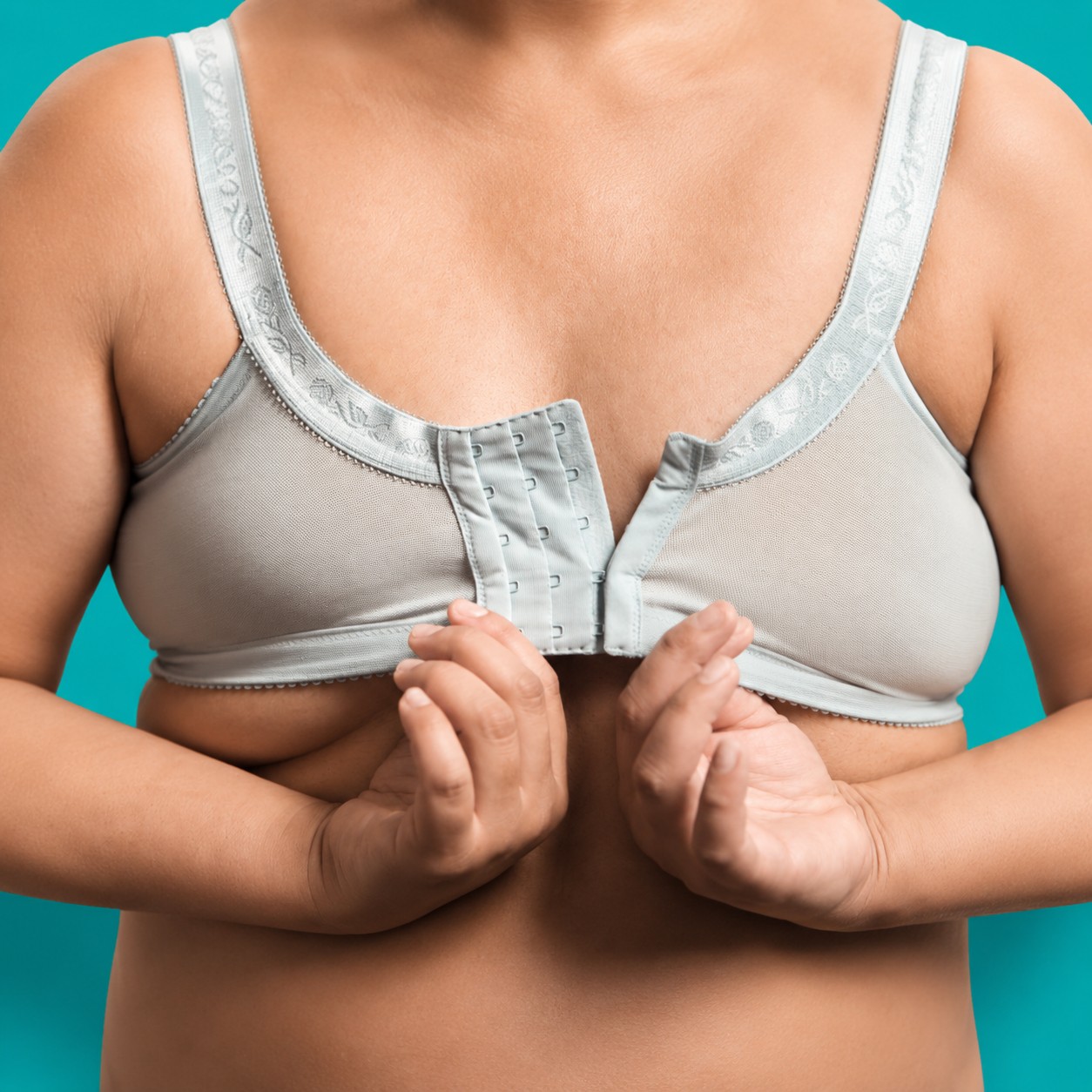

The bra band is the foundation of a well-fitting bra, but it is also one of the most misunderstood parts of the garment. A band that is too loose, too tight, or made with the wrong materials can affect everything from cup fit to shoulder comfort. Here are the frequently asked questions about bra band fit and how to troubleshoot them.
A bra band should feel firm and secure, but never restrictive. The purpose of the band is to anchor the bra against the rib cage and provide the foundation for support. It should remain level around the body, stay in place during movement, and allow comfortable breathing. A properly fitted band may feel snug when first put on, especially compared to a stretched-out older bra, but it should become comfortable after a few minutes. A good test is to take a deep breath, move naturally, and sit down. The band should move with your body without digging, pinching, or creating discomfort.
Remember: Firm provides support. Restrictive creates problems.
A bra band usually rides up because it is not providing enough tension to anchor the bra securely.
Common causes include:
Many people tighten their straps when this happens, but that often makes the problem worse. The straps pull the back band upward while taking on weight they were never designed to carry. The first place to troubleshoot is the band—not the straps.
Straps that fall off are not always caused by straps that are too loose. Before simply shortening the straps, check whether the bra frame is sitting correctly on the body.
Possible causes include:
Sometimes – but not always. If the cups fit perfectly and the band is only slightly loose, adjusting the band may be a reasonable solution. However, if the band feels loose because the cups are too small, tightening the band will not solve the underlying problem. A smaller band size usually comes with a smaller cup circumference, which may not provide enough room for the breasts. The goal is not simply a tighter bra. The goal is the correct relationship between band tension and cup volume.
The majority of bra support comes from the band. The band is the connector between the cups and the frame. It anchors the bra to the rib cage, allowing the cups to support and shape the breasts while the straps stabilize the cups. The straps are not designed to carry the majority of breast weight. If the shoulders are doing most of the work, the band is likely not providing enough support.
Think of it this way:
The cups hold the breasts.
The band holds the bra.
The straps stabilize the cups.
Yes, but only with controlled tension. Elastic needs to be stretched while applying it to the band so that it can create the necessary tension when worn. However, stretching it excessively can distort the fabric, create rippling, and make the finished band feel tighter than intended. The goal is not maximum stretch. The goal is balanced tension. I like to say…you need to show the elastic who’s boss.
The correct amount of stretch depends on:
Power net can make a band feel firmer, but it depends on the specific power net being used. A firm power net with excellent recovery will usually create a more supportive band than a soft, highly stretchy fabric. This is why fabric selection matters. The same pattern can produce a very different fit depending on the materials used.
Power nets vary in:
Rolling is often a sign that the materials are under stress and are trying to release tension. A properly engineered band should lie smoothly against the body without curling or folding. A bra band can roll for several reasons:
A new bra often feels firmer because the elastic has full recovery. Over time, repeated stretching, washing, and body heat cause elastic to relax. An older bra may feel more comfortable simply because the band has stretched out and is no longer providing the same level of support. A new bra should feel secure, but it should not feel painful or restrictive.
If a new bra feels dramatically tighter, check:
A bra that no longer feels supportive, rides up, or requires moving to the tightest hooks may be showing signs that the elastic has lost recovery. There is no exact timeline because elastic life depends on:
For bra-makers, using quality elastics and caring for the finished garment properly will significantly extend the life of the bra.
The bra band is the foundation of the entire garment. When the band is correctly fitted, everything else has a better chance of working:
When troubleshooting bra fit, remember the order:
Check the frame.
Check the band.
Check the materials.
Then evaluate the cups.
A well-engineered bra is not created by one perfect measurement. It is created when every component works together.

I invite you to join our private Facebook group, Beverly Johnson’s Bra-making Support Group