

A too loose bra band is one of the most common causes of poor bra fit. Because the band forms the foundation of the bra, even a small amount of extra looseness can affect every other part of the garment. Many people assume they need a different cup size when they experience discomfort or poor support. In reality, the cups may be perfectly drafted – the problem is that the band is no longer holding them in the correct position – it is too loose.
Engineering Insight:
A too loose band doesn’t create just one fitting problem—it creates a chain reaction. As the band loses tension, the straps take on more load, the cups shift position, the underwires move away from the breast root, and the entire bra becomes less supportive. That’s why professional bra fitting almost always begins with evaluating the band before anything else.

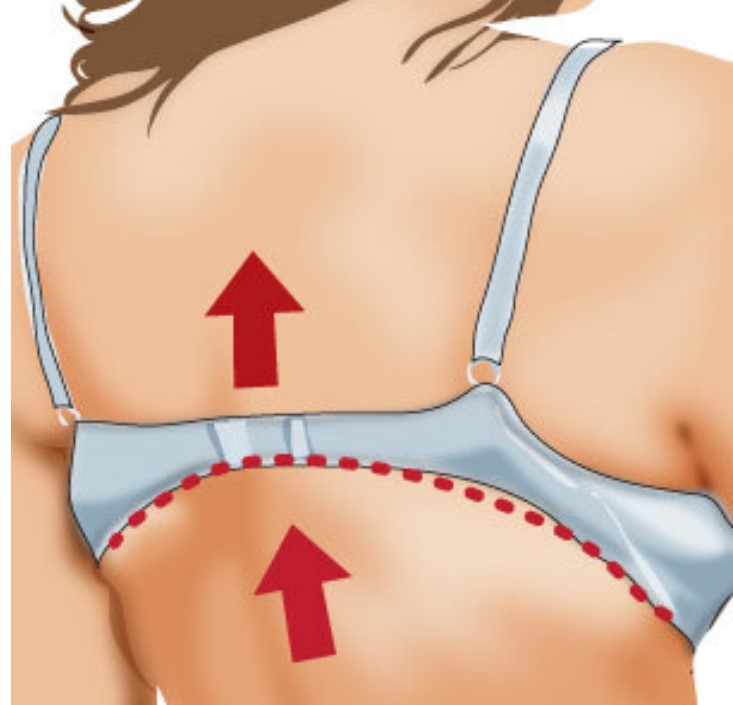
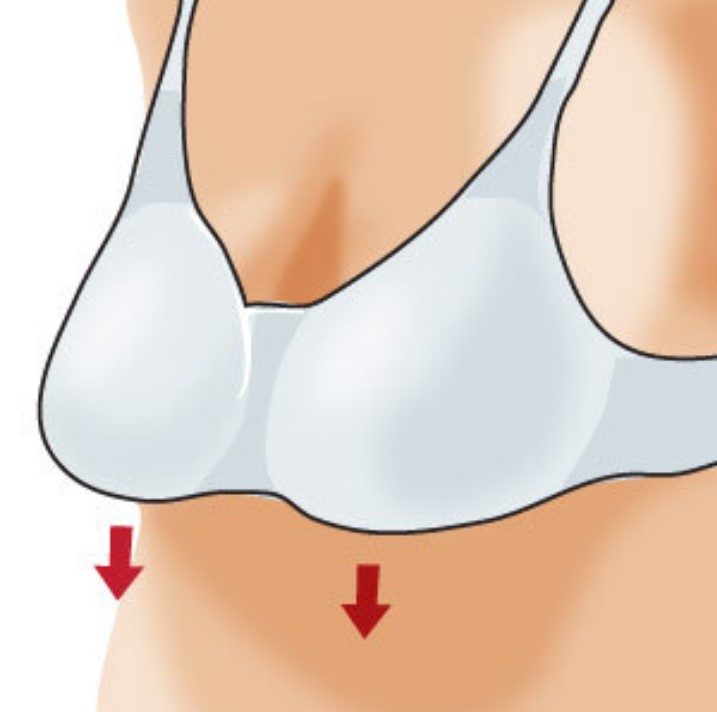
One of the easiest ways to recognize a too loose band is to look in a mirror from the side. The back of the bra should sit level with the front, forming a straight horizontal line around your body. If the back of the band creeps upward between your shoulder blades, the band is no longer anchoring the bra against your rib cage. As it rides up, the front of the bra is pulled downward, changing the position of the cups and underwires. A properly fitted band should remain level whether you’re standing, sitting, or moving throughout the day.
When the band isn’t doing its job, the straps try to compensate. Many women instinctively tighten the straps in an effort to make the bra feel more supportive. While this may seem to help at first, it actually shifts even more weight onto the shoulders instead of the rib cage.
Over time, this can lead to:
Remember, the straps are designed to stabilize the cups – not carry the weight of the breasts. If your straps are digging into your shoulders, it’s often a sign that the band is too loose rather than the straps being too tight.
The cups are designed to stay in a consistent position relative to the breasts. When the band becomes too loose, the entire bra is free to shift with every movement.
You may notice that:
These symptoms are often mistaken for cup-size problems, when in fact the cups simply aren’t being held where the pattern designer intended.
Underwires can only provide support when they remain in the correct location around the breast root. A loose band allows the underwires to move away from the chest wall or slide downward beneath the breasts. This changes the shape of the entire bra and reduces its ability to support and separate the breasts correctly. You may notice that the wires no longer sit snugly in the breast crease, or that they gradually migrate lower as the day goes on. In severe cases, the bridge may no longer lie flat against the sternum because the band isn’t providing enough tension to keep the frame stable. This is why experienced bra-makers always evaluate the band before making changes to the cups or underwires.
Perhaps the clearest sign of a loose band is a gradual loss of support. Instead of feeling comfortably secure, the bra begins to feel as though it’s “floating” on the body. The breasts may bounce more during movement, the cups may no longer feel stable, and the wearer often finds themselves constantly adjusting the bra throughout the day. In fact, the cups may sag in the front because the back is riding up. Just like a teeter-totter, if the back goes up, the front comes down. As the elastic continues to relax with wear, these problems usually become more noticeable. This is also why bras are designed with multiple hook positions. Starting on the loosest hooks allows you to tighten the band over time as the elastic naturally loses some of its recovery.
If you would like to join an enthusiastic and supportive, private community, please consider joining Beverly Johnson’s Bra-making Support Group