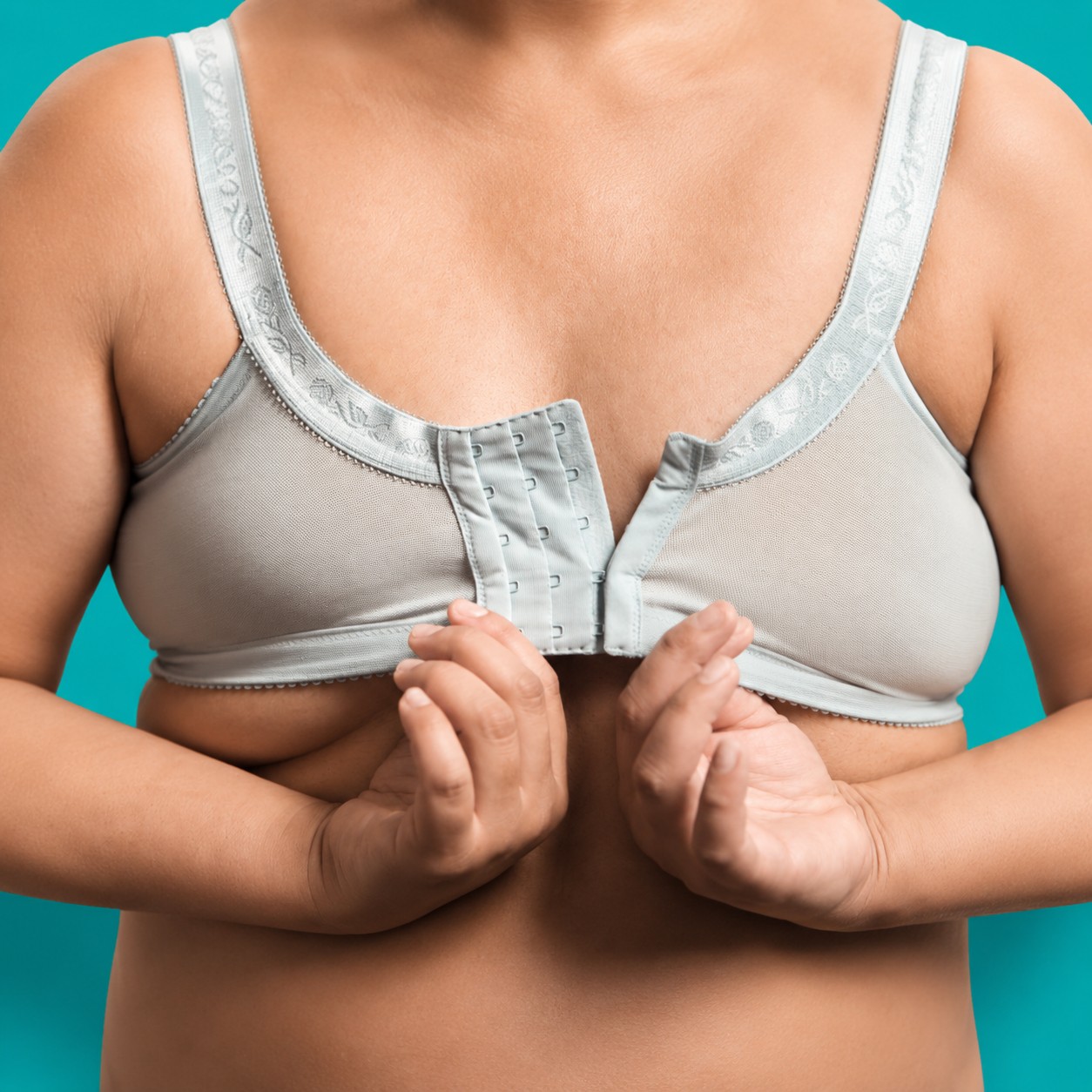

If you’ve been wondering how to measure for a bra band, the most accurate method is to measure around your rib cage after inhaling, then measure a second time after exhaling and keeping the tape measure level with the floor. Then choose the average of the two measurements. That’s the short answer that virtually all the bra-making websites give. However, making the perfect bra band is not quite as simple of measuring around the rib cage. That’s just a starting point. A properly fitting bra band sits perfectly level all the way around your rib cage just below your shoulder blades in the back and stays securely in place without riding up when you lift your arms. You need the bra band to be comfortable as well as supportive.
A good bra band has these qualities:
But the real answer isn’t as simple as taking a measurement. A properly fitted bra band should feel firm and secure without being restrictive. It should hug the rib cage closely enough to anchor the bra in place, but not so tightly that it causes pain, restricts breathing, or leaves deep indentations in the skin. Finding this balance is one of the keys to achieving both comfort and support. Lets’ look at this in more detail.
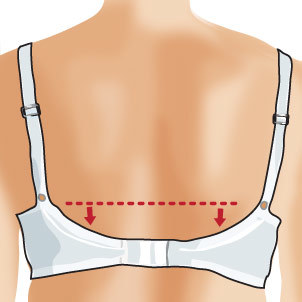
A bra band isn’t meant to squeeze the body – it’s designed to create controlled tension. Think of it like tuning a violin string. Too loose, and it can’t do its job. Too tight, and it loses harmony. The sweet spot is where the tension is just right: firm enough to provide support, yet comfortable enough that you can wear the bra all day without giving it a second thought.
A firm bra band should stay level around the body and remain in place during everyday activities such as walking, bending, reaching, and lifting your arms. It should feel snug when you first fasten it, but after a few minutes you should almost forget you’re wearing it. A restrictive band, on the other hand, feels uncomfortable from the moment it’s fastened. It may pinch, dig into the skin, roll into a rope at the edges, or create excessive pressure around the rib cage. Some people describe it as feeling like they’re “being squeezed” and they want to rip it off their body the minute they get home from work.
The goal is stability – not compression. If you find yourself eager to unhook your bra the moment you get home, the problem isn’t necessarily that bras are uncomfortable. More often, it means the bra band pattern needs adjustment.
No two rib cages are exactly alike. Some people have a nearly cylindrical torso, while others have a more tapered shape with a noticeable difference between the rib cage (underbust) and waist. Rib cages can also vary in width, prominence, flexibility, and muscle tone. These differences affect how a bra band feels, even when two people measure the same underbust or rib cage circumference. That’s why measuring the rib cage isn’t the only answer to the question.
For example:
This is one reason why bespoke bra-making is so rewarding. Rather than forcing every body into the same proportions, you can tailor the band to the unique shape of the wearer. You can make the bra fit the body, instead of forcing the body to fit into the bra.
Many people assume that a comfortable bra should feel loose. In reality, a bra that is too loose often becomes less comfortable as the day goes on because it shifts constantly and transfers weight to the shoulders. True comfort comes from stability.
A well-fitted band:
Because the bra isn’t constantly sliding or shifting, the wearer often experiences less discomfort even though the band feels firmer than they expected. This surprises many first-time bra-makers. What initially feels “snug” often becomes the most comfortable option after wearing it for an hour or two.
A properly fitted bra band should not interfere with normal breathing. You should be able to take a deep breath comfortably while wearing the bra. The band may expand slightly as your rib cage moves, but it should not feel painfully tight or prevent your chest from expanding naturally.
If you notice:
These are signs the band may be too tight, the elastic may be too firm, or the pattern may need adjustment. It’s also worth remembering that our rib cages naturally expand and contract throughout the day. Factors such as eating a meal, physical activity, posture, hormonal changes, and even the weather can subtly affect how a band feels. A well-designed bra accommodates these normal changes without becoming uncomfortable.
A bra isn’t judged by how it feels for the first five minutes – it’s judged by how it feels after eight or ten hours of wear. When evaluating band fit, encourage yourself or your client to move naturally. Sit down. Reach overhead. Twist from side to side. Bend to pick something up. Walk around for several minutes. A bra band that performs well during real-life movement is far more valuable than one that feels perfect while standing still in front of a mirror.
Ask yourself:
One final point that many people overlook is that no bra band stays exactly the same forever. With regular wear, body oils and perspiration, laundering, and repeated stretching, elastic gradually loses some of its recovery. That’s why new bras are typically fastened on the loosest hook. As the elastic relaxes over time, the wearer can move to the middle and then the tightest hook to maintain the same level of support. As a bra-maker, choosing high-quality elastics with good recovery will help your bra band maintain its fit and support much longer.
Here’s a handy checklist to quickly determine if your bra band is the right size for you:
To join our community of enthusiastic and experienced bra-makers, consider joining our private Facebook group, Beverly Johnson’s Bra-making Support group