Sometimes, the angst of choosing the correct cup fabric can be overwhelming, especially for a beginning bra-maker. I suppose that’s why people like kits—the fabrics and the elastics have already been chosen, and you are guaranteed success. However, once you have made a few bras, you may be tempted to choose your own fabrics. If you have gone into a fabric store and been exposed to the thousands of choices that are available, you know what I mean. But are all fabrics suitable? Can we use any fabric for bra cups and frames? Let me share some secrets to choosing cup fabrics.
As I mentioned in my last post here, the key to supportive cups is to use a light-to-medium-weight, no-stretch or low-stretch knitted fabric, one with less than 7.5% stretch in its most stretchy direction. By the way, only fabric with spandex in it can truly be called “stretchy”—knitted fabrics without spandex have “give” or “mechanical stretch.” In other words, it only seems stretchy because the knit stitches are being distorted and pulled out of shape.
Generally speaking, knitted fabrics are, in my opinion, superior to wovens for bra-making. Woven fabrics have virtually no stretch in their lengthwise grain and very limited stretch in the crosswise grain. So, they seem to fit the bill. But they fray…oh boy, do they fray. If you try to keep them from fraying by using two layers (with seams enclosed) or by serging the seams, you are adding unnecessary bulk in the one area you should not. But there are a couple of exceptions.
One of my students years ago brought back dozens of yards of embroidered cotton eyelet from India. Because of the eyelet holes embroidered closely together, the fabric tended to have more give than regular cotton. It worked extremely well for bra cups, much to my surprise.
I get people asking if they can use quilting cottons for bra cups. Quilter’s cottons are available in thousands of lovely small prints, with beautiful colours, demure pastels, and even tone-on-tone designs. They are all cotton, so they will be cool in summer. At first glance, they should be perfect for bras. And they can be, for smaller sizes. But larger cup sizes will need to do some experimentation to get the perfect fit. The problem lies with the 100% rigidity of the lengthwise grain, as well as its tendency to shrink and to fray. If you plan to use cotton, pre-shrink it before use, and be sure to enclose or finish the seams in some way so they won’t fray.
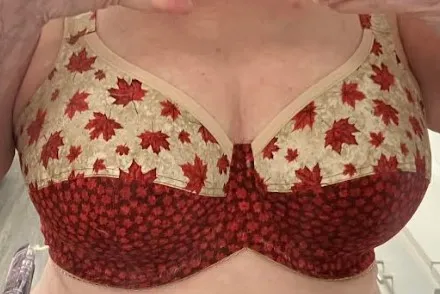
Here is a bra I made from quilting cotton for Canada Day. It fit (almost) the same as Duoplex, so I was happy about that. I did change the DoGS on the fabric a bit, and that worked to my advantage. I’ll have to do a blog post on how I did that one of these days.
I’ve been asked about using silk. I don’t recommend silk, as perspiration can damage silk fabric. Sweat can weaken silk fibers, leading to tears and stains, especially in the underarm area. Silk is also susceptible to discoloration and staining from perspiration, particularly if left untreated. Contrary to popular belief, silk is not absorbent, so wearing silk is not going to keep you cool on a hot day. If you absolutely have to have a silk bra under your wedding dress, that’s fine for one day, but it’s not an everyday bra fabric. And silk will fray like nobody’s business. Not to mention, silk slubs tend to show through clothing.
So what fabrics do I recommend? I’ve assembled some of my favourites, as well as some other ones I know about, here.
DUOPLEX – This is the fabric I’ve been using for almost 20 years. I have had it made in a LOT of colours over the years. It is very low-stretch, so it cooperates while sewing, washes beautifully, never shrinks, and maintains its colour nicely. My one and only complaint about Duoplex is that it is 100% polyester, a fabric notorious for being non-breathable and not easily dyed at home.
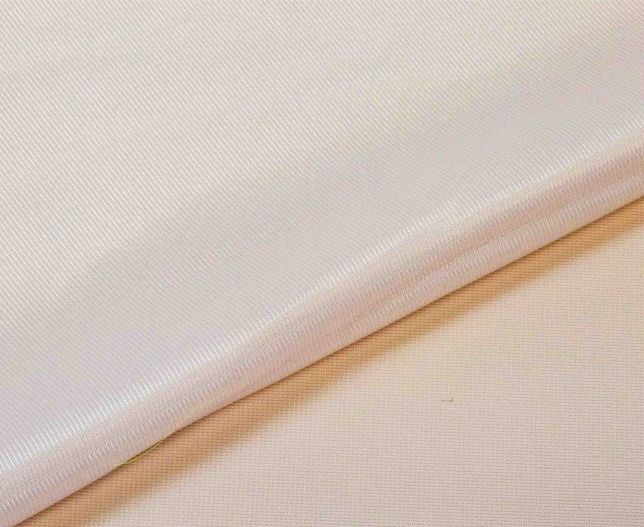
SIMPLEX—is the fabric I used for several years before the mill that made it in Quebec went out of business. It has more mechanical give than Duoplex, but it works beautifully for bra cups. This was the go-to fabric for WonderBra and Vogue Bras back in the day. I still have a chunk of it in my stash, but only in white and beige. That’s ok though because it is nylon, so it is dyeable. It is also very soft on the skin, almost liquid to the touch, and practically sews itself. If anyone knows where I can get more Simplex, please let me know in the comments—I would love to have more!
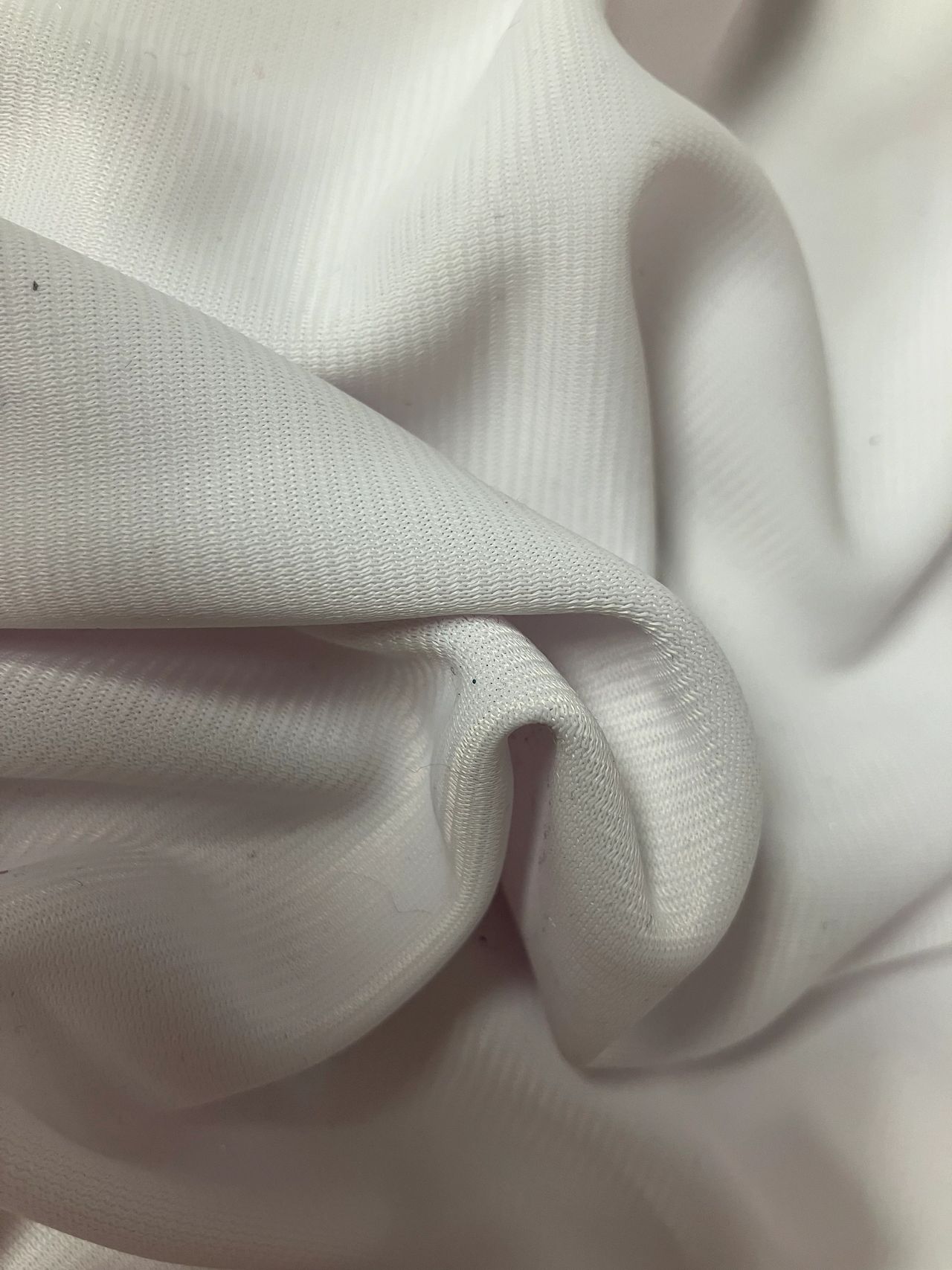
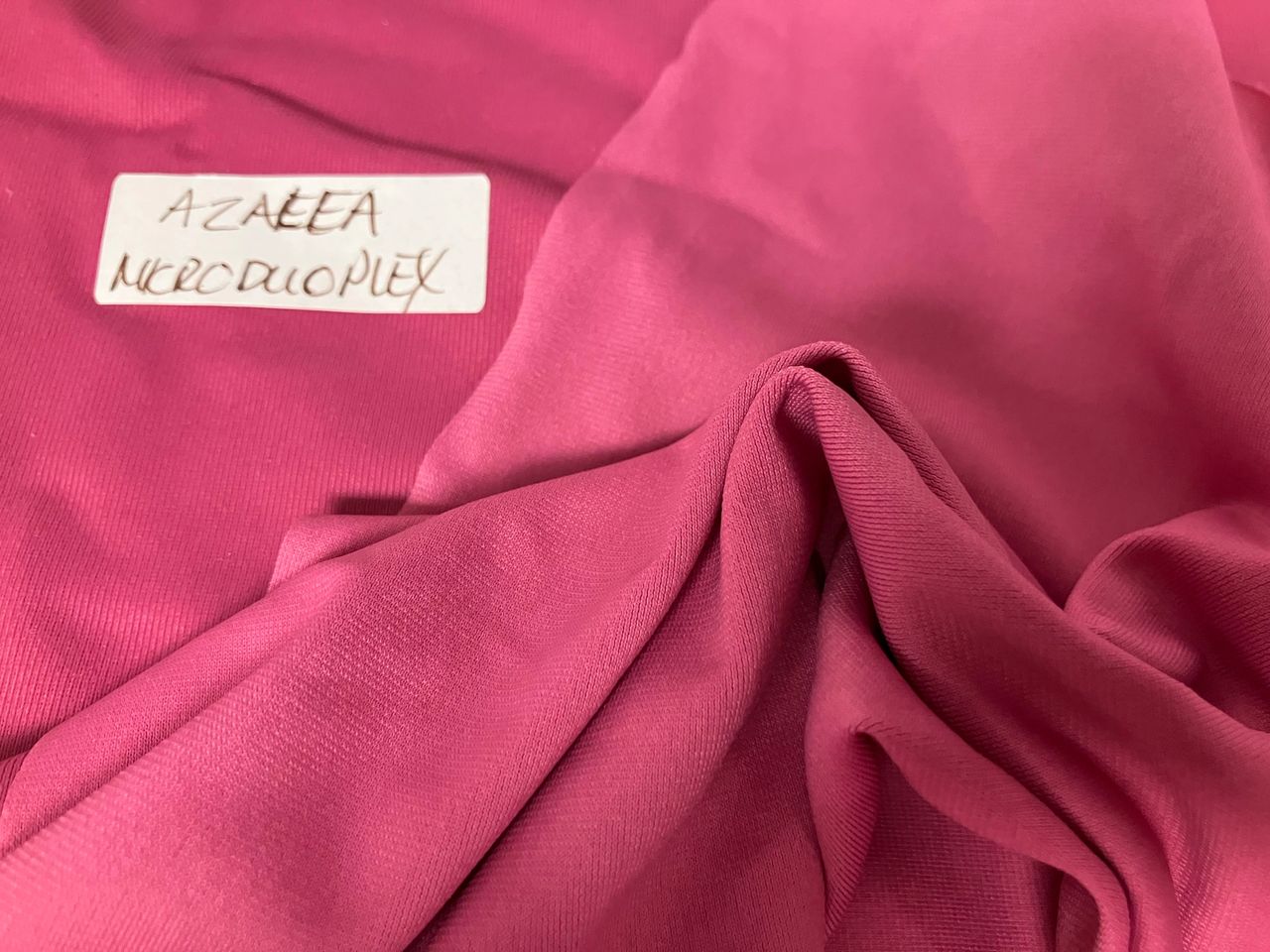
MICRODUOPLEX – My friend Nikki Griffin sent me this fabric recently. It has virtually no stretch in either direction, which is ideal, plus it is nylon, which means it is comfortable, and it dyes very easily. Nikki has dyed it in over 100 colours! I am looking forward to sewing with this fabric!
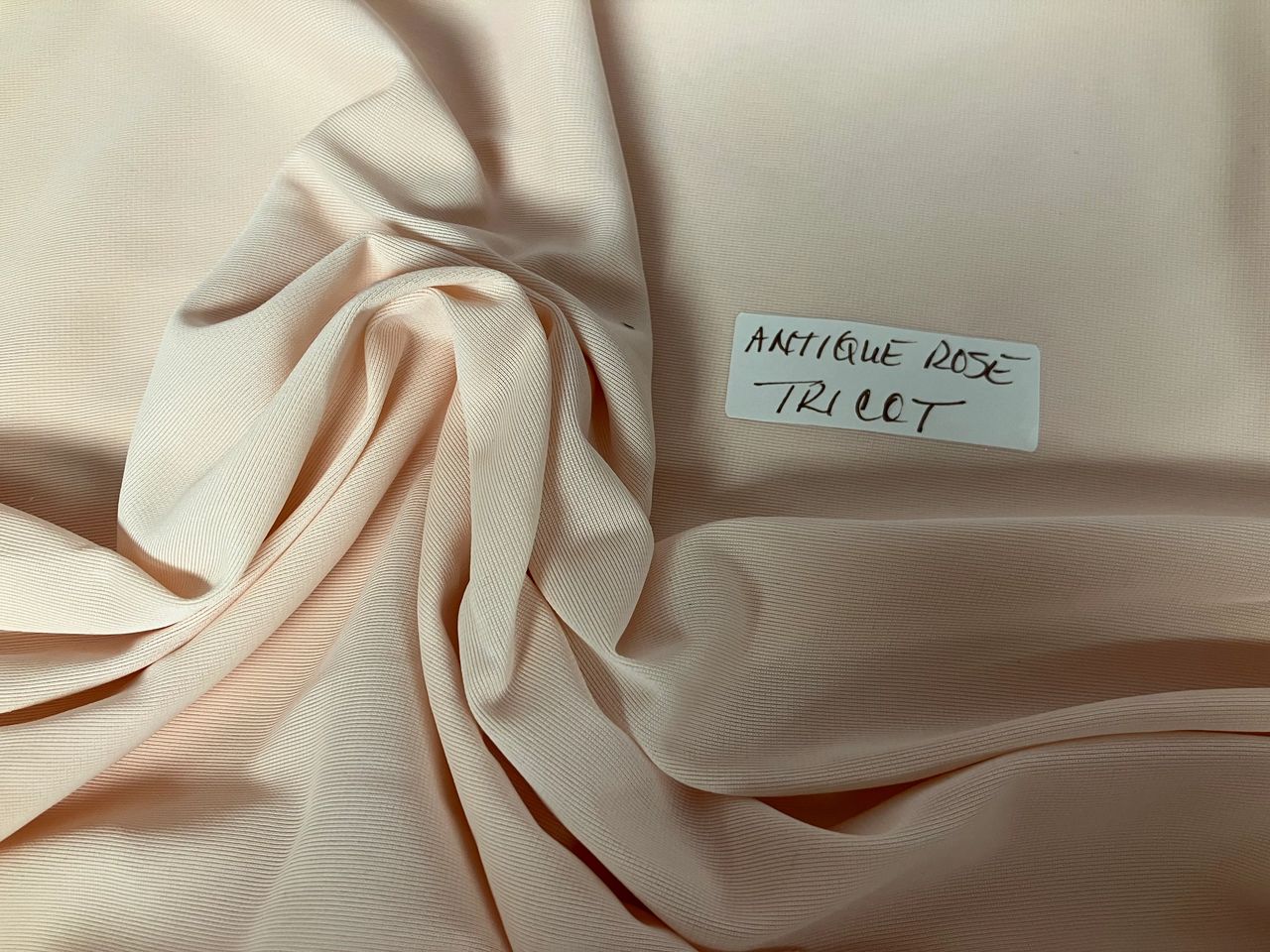
TRICOT—The word “tricot” has a different meaning here in Canada, where “tricot” translates to “knit.” However, “tricot,” when referring to a bra fabric, means something quite different to our friends in the US. Nikki sent me a sample of her tricot to play around with. It has slightly more stretch than her simplex and her microduoplex (bless her, she sent me samples of all three), but this is one of her go-to fabrics for bra cups. I did find something similar here in NB at Fabricville. It was called “tricot lining,” and it was really inexpensive (weird colours though). I hesitated and didn’t buy it, and I have never found it again. Lesson learned!
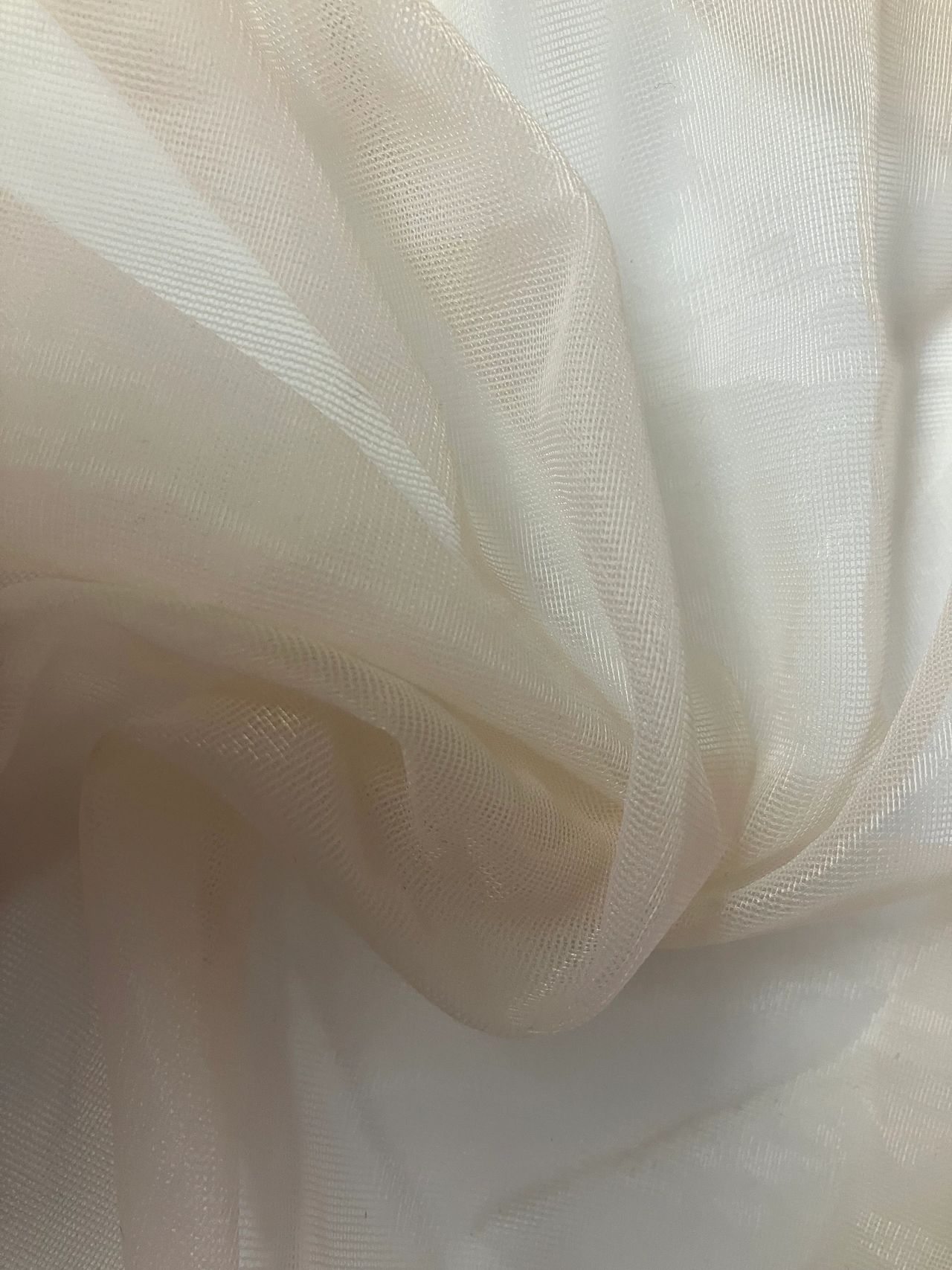
SHEER CUP LINING (MARQUISETTE)—I use sheer cup lining under all laces I use, and sometimes only this fabric, because it is so cool. Virtually no stretch, and 100% nylon, so it dyes very quickly in virtually any dye. I use acid dyes to dye all my bra components. Some sheer cup linings sold on sites such as Etsy and Temu are very stiff, so beware. The sheer cup lining I have (from BMS) is very soft and is not at all itchy.
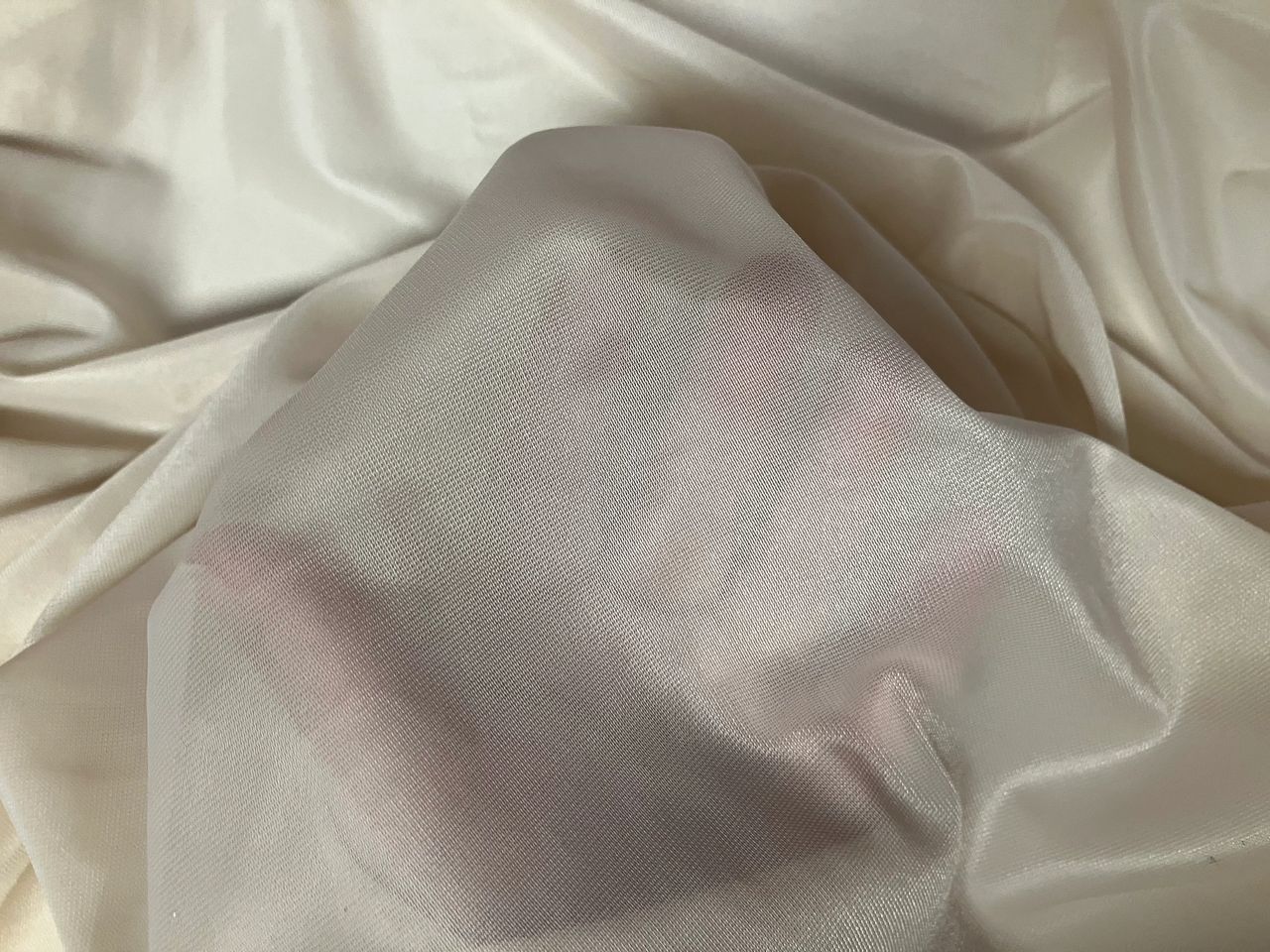
SEMI-SHEER NYLON – I bought this on Etsy, so it isn’t named, other than being called “Soft Bra Lining Semi-sheer Non-stretch Fabric.” I haven’t worked with it yet, as I am still collecting samples to test from various sources. But it seems to be exactly what I need for bra cups, so I am looking forward to trying it out. Like its title says, it is semi-sheer, so not the fabric to use if you are self-conscious about nipple show-through.
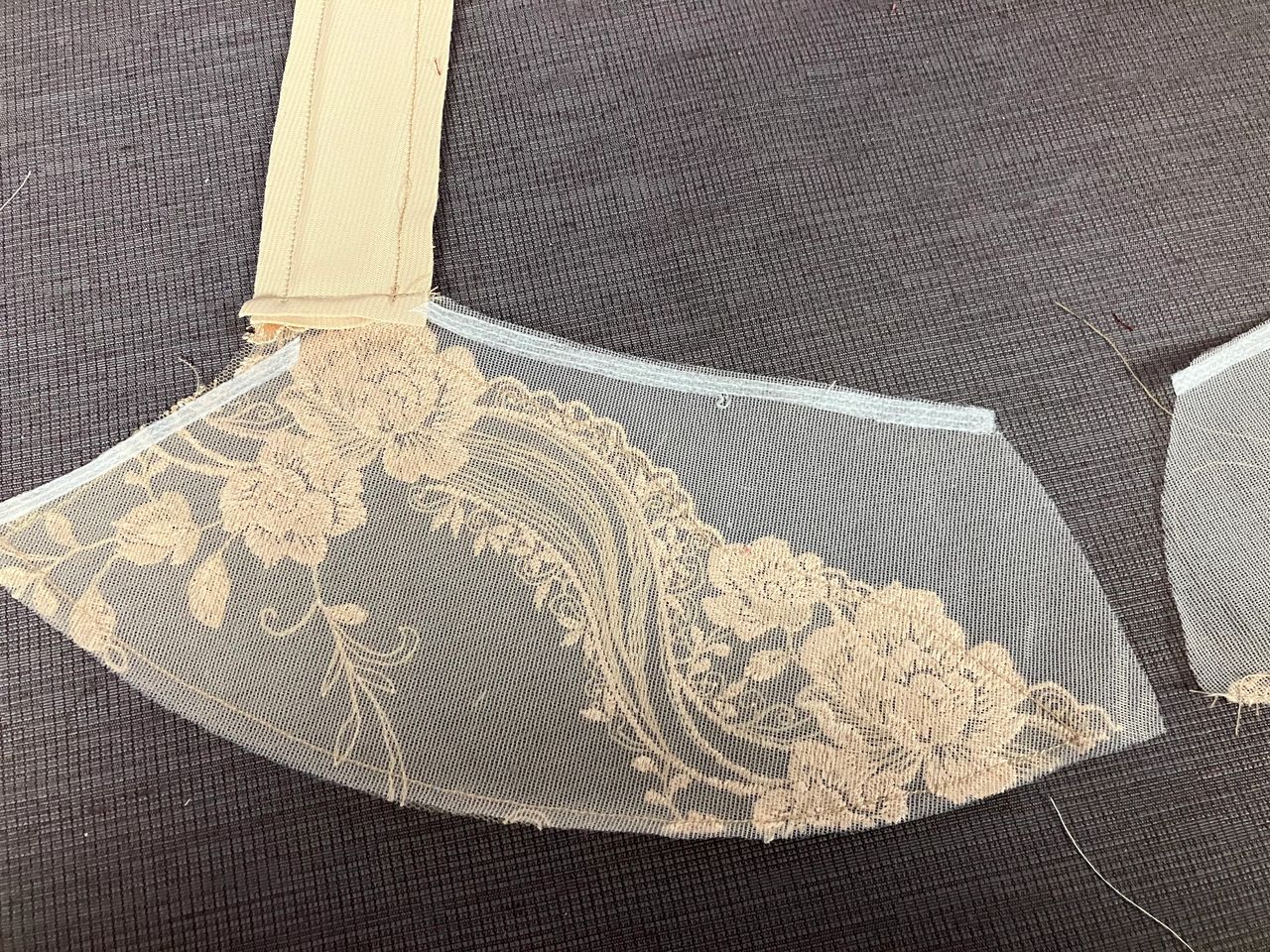
BRA TULLE – I find most bra tulles quite itchy, so I tend to use sheer cup lining instead. I have also found tulle to have more give than I want. I am a 4.75 BCD, so one layer of tulle isn’t enough for me. However, it is nylon. I will say that the only laces I buy now are embroidered tulles, and I line them with sheer cup lining.
15 DENIER NYLON – This very sheer nylon fabric has a fair amount of mechanical give in one direction and none in the other. If you are going to use it, I advise two layers cut so the DoGS oppose each other on the layers, with the DoGS in the vertical direction on the outside layer. That will prevent a lot of the “bagging” that tends to happen on double-layer cups. Back in the 1970s and 80s, I used 15 denier for belly dance skirts and veils. For bras, though, I find it awkward to manage two layers. I have found, though, that if I stiffen it with spray starch, it is much easier to handle.
So there you have fabrics I have found and used for bra cups. The next time you are surfing or shopping, look for light-to-medium-weight, low-stretch nylon fabrics (bookmark or buy your favourites!). You never know what treasures you will find!